
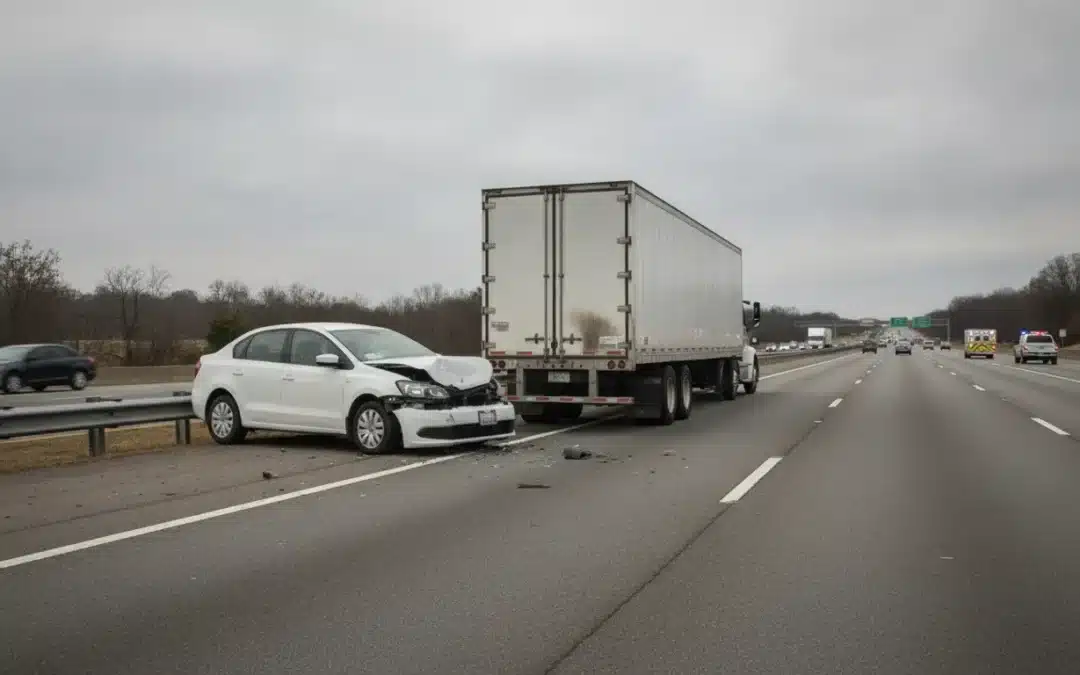
A car accident can happen in seconds. One moment everything is normal, and the next, you are dealing with serious injuries, mounting medical bills, time away from work, and an insurance company focused on minimizing what it pays.
In that moment, it is reasonable to have questions. Who is responsible? What insurance applies? What evidence matters? How long do you have to act? This Georgia guide explains the general framework in plain language for injured drivers, passengers, pedestrians, motorcyclists, and families.
Every claim turns on its own facts. A careful investigation can help identify the responsible parties, preserve evidence, and document the full effect of an injury before an insurer or defense lawyer defines the story for you.
How fault works in Georgia motor vehicle cases
Georgia generally follows a fault-based system. In a negligence claim, an injured person typically must prove that another person or company owed a duty of reasonable care, failed to meet that duty, caused the crash or resulting injury, and caused legally recognizable damages. The exact proof depends on the collision, the parties involved, and the defenses raised.
Examples of conduct that may support a negligence claim include distracted driving, speeding, following too closely, running a red light, driving while impaired, or failing to yield. A commercial carrier may also face questions about hiring, training, supervision, maintenance, hours of service, or cargo loading. Those issues require evidence, not assumptions.
Georgia’s comparative-fault rule is addressed in O.C.G.A. section 51-12-33. A plaintiff’s damages may be reduced by the percentage of fault assigned to that plaintiff. If the plaintiff is found to be 50 percent or more responsible, recovery is generally barred under the statute. Courts and juries may also evaluate the conduct of other parties and nonparties, so the fault analysis can be more complicated than a police report’s initial description.
What if you were partly at fault?
Sharing some responsibility does not automatically end a claim. For example, if a factfinder assigns an injured person 20 percent of the fault, the award could be reduced by that percentage, subject to the evidence and the law that applies. If the assigned fault reaches 50 percent, the statutory bar may apply.
Insurers often try to increase the percentage of fault assigned to an injured person. Photos, vehicle damage, scene measurements, witness accounts, phone data, medical records, and event-data information can help test that position. An attorney should review the facts before you accept an insurer’s version of the collision.
Common types of motor vehicle accidents
Motor vehicle cases share some building blocks, but different crash types create different evidence and insurance questions. The following categories are not exhaustive.
Car accidents
Rear-end collisions, intersection crashes, head-on crashes, lane-change collisions, and multi-vehicle pileups can produce injuries ranging from fractures and soft-tissue damage to traumatic brain injuries and spinal cord injuries. A driver’s minimum liability limits may not cover a serious injury, particularly when medical care and lost earning capacity continue for years.
Review all potentially available coverage, including uninsured or underinsured motorist coverage. Georgia’s motor vehicle insurance rules are addressed in O.C.G.A. section 33-7-11. Policy language, notice requirements, exclusions, and the facts of the crash all matter, so do not assume that a policy does or does not apply without reviewing it.
For more information about local representation after a serious crash, see Schneider Injury Law’s page for Atlanta auto accident lawyers.
Trucking and 18-wheeler accidents
Accidents involving commercial trucks can be devastating because of the difference in vehicle size, weight, and stopping distance. A fully loaded 18-wheeler can weigh up to 80,000 pounds — roughly 20 times the weight of an average car.
Trucking cases may involve more than the driver. Depending on the evidence, potential issues can include:
- The truck driver, including fatigue, distraction, impairment, speeding, or unsafe maneuvering.
- The motor carrier, including hiring, training, supervision, dispatch practices, or required safety compliance.
- A shipper, broker, or cargo-loading company when loading or selection decisions contributed to the collision.
- A maintenance provider or vehicle manufacturer when a maintenance failure or defective component played a role.
Federal rules address hours of service and rest requirements. The Federal Motor Carrier Safety Administration’s hours-of-service summary explains the general limits and required breaks. Maintenance and inspection duties are addressed in 49 C.F.R. Part 396. These sources provide a starting point, but a case-specific review may require driver logs, electronic records, dispatch communications, inspection records, maintenance files, and the carrier’s safety history.
Schneider Injury Law approaches serious truck cases as a trial firm, not a quick-settlement shop. The firm’s defense-side insider perspective helps anticipate how a carrier and its insurer may frame the crash, while the investigation focuses on evidence that can be tested in court. Learn more about the firm’s Georgia trucking accident representation.
Motorcycle accidents
Motorcyclists have less physical protection than people in enclosed vehicles. A collision can cause road rash, fractures, brain injury, spinal cord damage, or fatal trauma. The visible damage to a motorcycle does not tell the whole story, and an insurer’s assumption that a rider was reckless is not proof of fault.
Photographs, scene evidence, helmet and clothing evidence, vehicle data, witness accounts, and a careful reconstruction can help separate facts from stereotypes. A rider should avoid speculating about fault while injured or under pressure. See the firm’s page about Atlanta motorcycle accidents for additional information.
Rideshare accidents involving Uber or Lyft
Rideshare claims can depend on what the driver was doing in the app at the time of the crash. Georgia’s transportation network company insurance statute, O.C.G.A. section 33-1-24, distinguishes coverage periods. In the in-service period, the statute generally requires primary coverage of at least $1 million per occurrence. A different, lower coverage structure can apply during a limited-use period when a driver is logged on but has not accepted a ride, while the driver’s personal policy may be involved when the driver is not providing rideshare services.
App records, trip status, insurer information, vehicle ownership, and the timing of the collision can be important. Do not assume that the logo on a vehicle identifies the policy that will ultimately respond. A lawyer should examine the applicable policy and the driver’s status at the time of the crash.
Pedestrian accidents
People on foot have no vehicle frame, air bags, or seat belt to absorb the impact. Georgia’s crosswalk right-of-way rule appears in O.C.G.A. section 40-6-91. The statute and the facts of the scene both matter, including signals, lighting, visibility, speed, crosswalk markings, and whether a driver had a reasonable opportunity to avoid the collision.
Defective vehicles or parts
Sometimes a crash involves more than driver error. Defective brakes, tires, steering systems, airbags, or other components may raise product-liability questions. Georgia’s product-liability statute, O.C.G.A. section 51-1-11, includes requirements that depend on the product, the defect theory, the parties, and the evidence. Preserve the vehicle and relevant parts whenever possible. Do not authorize repairs, disposal, or salvage without considering whether the evidence may be needed.
Common causes of serious crashes
Understanding the cause is central to building a case. Common causes include distracted driving, speeding, impaired driving, fatigue, failure to yield, unsafe lane changes, aggressive driving, poor visibility, and dangerous road conditions. A road-maintenance claim can involve different rules and defenses from a claim against another driver, including notice and immunity issues.
Commercial fatigue deserves special attention. A carrier’s internal records, electronic logging data, dispatch messages, inspection history, and prior safety information may help show whether a driver or company departed from required practices. The existence of a federal rule does not by itself prove negligence in a particular case, but a documented violation may be relevant to the investigation.
What compensation may be available?
The law may permit recovery for the full scope of harm caused by a proven negligent act, but the available damages depend on liability, evidence, insurance, comparative fault, and other legal limits. Potential categories include:
- Economic damages: emergency care, hospital treatment, surgery, prescriptions, rehabilitation, future medical needs, lost wages, and reduced future earning capacity.
- Non-economic damages: physical pain, emotional distress, loss of normal activities, anxiety, and the effect of the injury on family and daily life.
- Punitive damages: in limited cases involving the type of aggravated misconduct described by O.C.G.A. section 51-12-5.1. They are not available in every accident and require a case-specific analysis.
- Wrongful-death damages: when negligence causes a death, eligible survivors may have rights under Georgia’s wrongful-death statutes. The parties entitled to bring a claim and the measure of damages vary by family circumstances. See O.C.G.A. section 51-4-2 and speak with counsel promptly.
Medical records and bills are important, but they are not the entire claim. Treatment plans, work records, testimony from family members, vocational evidence, and proof of future care may be needed to explain how an injury changes a person’s life.
How a serious accident case is investigated
A strong investigation begins before evidence disappears. Skid marks fade, damaged vehicles are repaired or sold, video is overwritten, and witnesses’ memories change. The investigation may include:
- Securing the scene evidence: photographs, measurements, road design, lighting, vehicle positions, debris, surveillance footage, and witness information.
- Preserving electronic data: event data from a passenger vehicle or electronic control module data from a commercial truck may help explain speed, braking, steering, or other pre-impact information when available.
- Identifying every responsible party: in a truck case, that may mean examining the carrier, driver, shipper, broker, maintenance provider, and equipment manufacturer.
- Testing the mechanics of the crash: reconstruction professionals may use physical evidence, vehicle inspections, photographs, measurements, and data to evaluate how the collision occurred.
- Documenting the injury: medical treatment, restrictions, work loss, household changes, future care, and the human effect of the injury should be recorded consistently.
- Handling insurer communications: an adjuster’s questions may be designed to narrow the claim. A lawyer can manage communications and help protect the evidence and the client’s position.
Bethany Schneider’s former defense-side trial experience matters here because it informs how corporate defendants and insurers may examine a claim. She has tried more than 40 trials and represents seriously injured people through a boutique trial practice. The firm’s Bethany Schneider attorney profile provides additional background.
How long do you have to file a Georgia accident claim?
For many personal-injury claims, Georgia’s general limitations statute, O.C.G.A. section 9-3-33, provides a two-year period for an action for injuries to the person. That is a general rule, not a substitute for legal advice. Different facts can affect when a claim accrues, how a deadline is calculated, whether a government entity is involved, and what notice or other prerequisites may apply.
Do not wait for the deadline to approach. Insurance claims, evidence preservation, medical documentation, and negotiations can all take time, and a missed deadline can seriously affect legal rights. A Georgia attorney should review the facts and all potentially applicable deadlines as soon as possible.
Frequently asked questions
The other driver’s insurer called. Should I give a statement?
Be careful. You are not required to guess at the cause of a crash or describe your injuries before you understand them. A recorded statement or casual comment can later be used to challenge the claim. Consider speaking with a lawyer before providing a recorded statement or signing a release.
What if the other driver has no insurance or not enough insurance?
Your own uninsured or underinsured motorist coverage may be relevant, depending on the policy, notice, and facts. Review the declarations page and policy, preserve all insurer communications, and do not assume that an initial coverage position is the final answer.
I was a passenger. Can I make a claim?
A passenger may have a claim against a negligent driver, another responsible driver, or another responsible party. Passenger status does not determine every issue, but it is important to identify all vehicles, policies, and facts rather than assuming that only the driver of the passenger’s vehicle matters.
What if I was partially at fault?
Georgia’s comparative-fault rule may reduce recovery based on the percentage of responsibility assigned to the injured person, and a 50-percent-or-more finding can bar recovery under the statute. The evidence and legal analysis should be reviewed before accepting an insurer’s fault assessment.
What if a family member died in the collision?
Family members may have wrongful-death rights when a death was caused by another person’s negligence, but the proper claimant and damages depend on the family relationship and circumstances. Prompt advice can help preserve evidence and identify applicable deadlines. Schneider Injury Law’s wrongful-death information explains the firm’s approach.
Your next steps after a Georgia motor vehicle accident
- Seek medical attention and follow the care plan. Some serious injuries are not immediately obvious.
- Report the collision to law enforcement and request the report when it becomes available.
- Photograph the vehicles, scene, visible injuries, road conditions, and relevant property when it is safe.
- Collect names and contact information for drivers and witnesses, but avoid arguing about fault at the scene.
- Preserve insurance information, medical records, bills, wage records, photographs, messages, and repair documents.
- Do not give a recorded statement or sign a settlement release before you understand the claim and its consequences.
- Ask counsel to evaluate deadlines, coverage, evidence preservation, and all potentially responsible parties.
- Contact Schneider Injury Law for a free consultation. There are no retainers and no upfront fees. The firm handles injury matters on a contingency basis with no fee UNTIL we win.
Attorney review and educational disclaimer
Reviewed by Bethany Schneider, Trial Attorney
Last reviewed: September 2, 2026
Bethany Schneider is the founder of Schneider Injury Law, an Atlanta-based boutique personal injury trial firm. Before founding the firm, she practiced as a trial attorney at King & Spalding, representing defendants and learning how insurers and corporate defendants evaluate serious claims. She now uses that defense-side perspective to advocate for injured people and families throughout Georgia.
This guide is for general educational information only. It is not formal legal advice and does not create an attorney-client relationship. Deadlines, coverage, liability, damages, and available remedies vary with the facts. Consult a licensed Georgia attorney about your specific situation.