

A negligent security attorney in Atlanta, Georgia can review whether a property owner or occupier knew about a foreseeable criminal risk, failed to use reasonable precautions, and caused a visitor’s injury. The evidence may include prior incidents, lighting, access controls, cameras, staffing, maintenance, and medical records.
Claim Your Free Consultation: Call 404-800-3060
After an assault on an apartment complex, hotel, store, parking area, or other commercial property, it can be difficult to know if a security failure contributed. Your immediate priorities are your safety, medical care, and preserving information before video, access logs, or witness memories disappear.
This is the foundation of negligent security law. When a property owner knew or reasonably should have known about a qualifying risk and failed to use ordinary care, Georgia law may provide a path to accountability, depending on the evidence and the legal rules that apply to the incident.
How Georgia Negligent Security and Premises Liability Claims Work
In Georgia, a negligent security claim generally asks whether a property owner or occupier had a duty to keep the premises reasonably safe. It also asks whether a foreseeable criminal risk was addressed with reasonable precautions and whether a failure contributed to the injury. The answer depends on evidence specific to the property and incident.
Georgia premises-liability law can apply when a person is injured by a criminal act on property that should have been reasonably safe. The legal question is not simply whether a crime occurred. It is whether the owner or occupier had a duty to address a foreseeable risk, failed to take reasonable steps, and caused the injury.
The duty under Georgia premises-liability law
O.C.G.A. § 51-3-1 is the statute commonly associated with Georgia premises liability. In general terms, it addresses the responsibility of an owner or occupier to keep property and approaches reasonably safe for people who are invited or otherwise legally present. In a negligent security case, that duty may include reasonable protection from foreseeable criminal conduct by someone else.
Owners are not automatically responsible whenever a crime occurs.
What changed in Georgia in 2025
Georgia added a specific negligent-security framework in 2025 at O.C.G.A. § 51-3-51 and related sections. The law requires proof of several connected elements, not simply proof that a crime happened on the property. Foreseeability may depend on a particularized warning of imminent criminal conduct; prior substantially similar conduct on the premises; prior substantially similar conduct on adjoining property or within 500 yards that the owner actually knew about; or certain prior conduct by the person who caused the injury. The statute also addresses whether a known physical condition of the premises created a risk greater than the general risk nearby, whether the owner failed to use ordinary care, and whether that failure proximately caused the injury.
These rules are fact-specific. The 500-yard provision is not a stand-alone test, and a nearby incident does not automatically establish liability. A lawyer should evaluate the applicable version of the law, the date of the incident, the property’s records, and the evidence before drawing conclusions.
Why foreseeability matters
Foreseeability is often central to a negligent security claim. A property owner may have reason to anticipate danger based on prior incidents, nearby criminal activity, the property’s layout, or other facts showing a security risk. The relevant question is usually not whether the owner could predict the exact crime, exact location, or exact attacker. It is whether the general type of danger was sufficiently apparent that reasonable precautions should have been considered.
For example, repeated reports of criminal activity around an apartment entrance or poorly lit parking area may support better lighting, controlled access, cameras, locks, patrols, or other measures. A security measure that makes sense for a large apartment complex may not be the same measure suitable for a hotel, retail store, restaurant, or parking facility.
Liability depends on the facts
Georgia negligent security cases can involve more than the property owner. An occupier, management company, security contractor, or other responsible party may have separate responsibilities, depending on the agreements and practices involved. Investigating security records, maintenance history, incident reports, surveillance footage, and prior criminal activity can help show what the property knew and how it responded.
A complete claim requires more than proving a dangerous condition or prior incident. The evidence must connect the alleged failure to the injury and establish recognized damages. These cases turn on property-specific facts. A careful review with a negligent security attorney in Atlanta, Georgia can identify the questions that need answers.
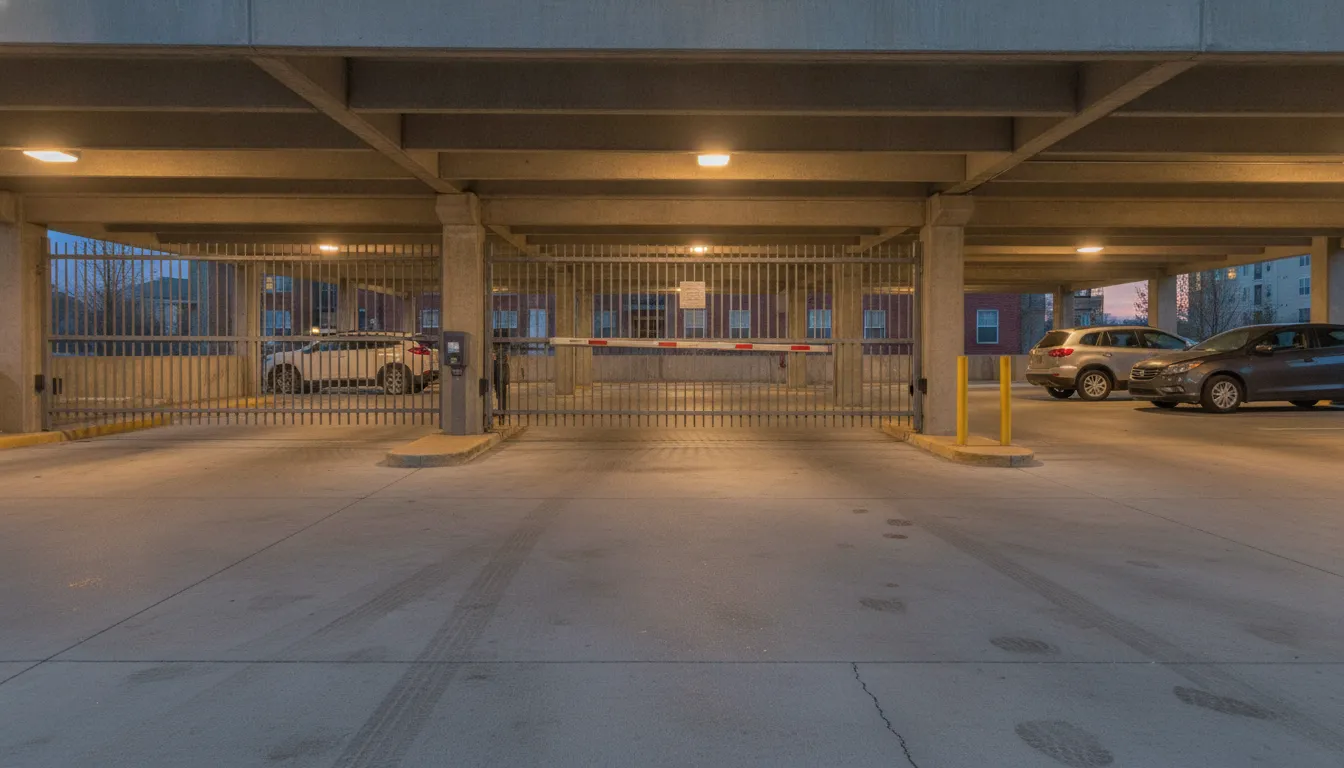
When Is a Crime Considered Foreseeable in Atlanta?
In an Atlanta negligent security case, foreseeability asks whether the criminal act was reasonably predictable enough that a property owner or occupier should have taken reasonable steps to reduce the risk.
Georgia law does not make a property owner an insurer of every visitor’s safety. Instead, the analysis often focuses on what the owner knew or should have known about the property and its immediate surroundings. It also considers whether the security response matched that risk. The underlying criminal act itself may be central to the plaintiff’s burden under Georgia premises-liability law. Georgia Supreme Court precedent addresses that foreseeability question in negligent security claims.
Past incidents can create notice
Prior crimes are often important because they may show that a threat was not merely theoretical. Investigators may examine police reports, incident logs, calls for service, complaints, security reports, and records held by the property owner or a security contractor. The relevant history may include incidents on the property and, depending on the circumstances, criminal activity in the immediate vicinity. An owner who ignores known security threats may face difficult questions about whether reasonable precautions were needed. Past crime and security conditions at an Atlanta apartment complex can illustrate the kind of property-specific notice a case may require.
Location and circumstances matter
Foreseeability is not determined by a single incident count or by the property’s label. A hotel, apartment complex, retail store, parking area, nightclub, or other commercial property may present different access points, lighting conditions, hours of operation, and patterns of risk. A comparable nearby incident may be relevant when it helps show what an owner knew about the surrounding area, but proximity and similarity still require careful analysis. A distant or unrelated event may carry little weight.
Reasonable precautions depend on the risk
The question is not simply whether security existed. It is whether reasonable measures were used under the circumstances. Depending on the property and known risks, those measures may include working exterior lighting, functioning locks, controlled or gated access, cameras, security personnel, or appropriate monitoring and maintenance. A missing camera alone does not establish liability, just as a camera alone does not prove adequate protection. The analysis may also consider whether equipment was working, whether access points were secured, whether warnings or procedures were followed, and whether security contractors performed their assigned duties.
No single fact decides a negligent security claim. The evidence must connect the property’s history and conditions to the alleged failure, then connect that failure to the injury. A review of security records, prior criminal activity, maintenance practices, and operational protocols can clarify those questions. A commercial property attack claim requires a trauma-informed, fact-specific review.
How a Negligent Security Attorney Atlanta Georgia Builds the Evidence
To prove a negligent security claim, an injured person typically needs evidence of a property-related duty. A failure to use reasonable security measures, a connection between that failure and the injury, and legally recognized damages. Records about prior incidents, lighting, access, cameras, staffing, and maintenance can help test each issue.
A negligent security case is built from the specific conditions at the property, the conduct that caused the injury, and the records that connect those facts. In Georgia, these claims generally require proof of duty, breach, causation, and damages. The criminal act itself does not automatically establish property-owner liability. The evidence must show what the owner or security contractor knew or reasonably should have known. It must also show what precautions were available and how the failure to take reasonable precautions relates to the harm.
This framework is a starting point, not a promise that any particular claim will succeed:
- Establish a duty. Identify who controlled or occupied the property and what responsibility that person or entity had for visitor safety. Georgia premises-liability law can impose a duty to keep property reasonably safe from foreseeable criminal acts. The analysis may involve the owner, operator, property manager, or security contractor, depending on the site and the contracts governing security.
- Show a breach of that duty. The investigation asks whether reasonable security measures were missing, defective, or not followed. Examples may include inadequate lighting, broken locks or gates, missing cameras, or a lack of security personnel where the circumstances called for them. Past criminal activity on or near the property can be relevant to foreseeability and notice. Security records, maintenance history, and operational protocols may help show whether the property knew about a risk and failed to respond reasonably. For background on the broader legal framework, see this commercial property attack claim guide.
- Connect the breach to the injury. Causation requires more than showing that a security problem existed. The evidence must support a connection between the failure and the injury. For example, it may show how a dark access point, unsecured entrance, or absent warning or intervention affected the events. The defense may dispute whether the incident was preventable or whether another cause broke that connection, so the timing, location, and sequence of events matter.
- Document damages. Medical records can establish the nature and extent of physical injuries and treatment. Depending on the circumstances, damages may also involve ongoing care, lost income, reduced ability to work, and the emotional impact of an assault or other violent event. Keep records of treatment and related losses, but avoid assuming that any category is automatically recoverable in a particular case.
- Preserve evidence promptly. Important information can be overwritten, discarded, or changed after an incident. Preserve or request copies of incident reports, surveillance footage, lighting and lock records, security contracts, prior incident records, medical records, and witness information. Note the names and contact details of witnesses, the exact area where the incident occurred, and any visible condition that may have affected safety. Photographs or video of lighting, entrances, locks, gates, and warning signs may also help document the property as it appeared.
A careful review can identify evidence that needs preservation from a third party.
Which Properties and Incidents Can Lead to a Claim?
Negligent security claims may arise after an assault, robbery, shooting, or other criminal act at an apartment complex, hotel, retail store, parking area, nightclub, or other commercial property. The property type does not decide liability by itself. The analysis turns on the known risk, reasonable precautions, responsible parties, and resulting injury.
Negligent security questions can arise in many places, not only where a person expects trouble. Atlanta and Georgia claims may involve apartments, hotels, retail stores, parking areas, nightlife venues, and other commercial properties. The property owner, occupier, management company, or security contractor may have responsibilities that depend on the site and the services it provides. A claim is not automatic after an assault or other criminal act. The analysis usually asks whether the danger was reasonably foreseeable, whether reasonable precautions were used, and whether a security failure contributed to the injury.
| Property | Common issue | Key question |
|---|---|---|
| Apartments | Broken gates or poor lighting | What did management know? |
| Hotels | Uncontrolled access | How were visitors managed? |
| Retail and nightlife | Poor staffing or entrances | Did security match the risk? |
| Parking areas | Dark walkways or broken lights | Could cameras reduce risk? |
| Other sites | Gaps involving contractors | Who controlled the area? |
The same duty can look different at each property
Georgia property owners have a duty to keep premises reasonably safe from foreseeable criminal acts. A business owner may be liable for third-party criminal conduct when the crime was foreseeable and reasonable security measures were not implemented. That does not mean every property must provide the same guards, cameras, locks, or lighting. The relevant circumstances can include the property’s use, hours, layout, access rules, staffing, prior warnings, and the nature of the danger. Learn more about a commercial property attack claim.
The incident and injury still require individual analysis
An assault, shooting, robbery, sexual assault, or other criminal act may raise different evidence and causation questions. Investigators may need to determine what happened, where it happened, who controlled the area, and whether a security breach directly contributed to the injury. The injury may be physical, psychological, or both. A survivor’s account, medical records, incident reports, video, access logs, maintenance records, and information about prior incidents can all help clarify the claim. The available evidence and the property’s particular risks matter more than a label attached to the location.
Survivors deserve respectful support
After violence, people may be coping with fear, pain, disruption, and difficult memories. They should not have to prove their worthiness before asking questions about their rights. A trauma-informed legal review should center safety, privacy, and the survivor’s choices while carefully examining whether negligent security contributed to the harm. Schneider Injury Law approaches serious injury and negligent security cases with empathy and personalized care, without promising an outcome that the evidence cannot support. Atlanta crime victim lawyers can help explain possible next steps.
What Can a Negligent Security Attorney Do for Your Case?
A negligent security attorney can investigate the property’s history and conditions, identify owners, occupiers, managers, and contractors, preserve records, evaluate medical evidence, and prepare for defenses about foreseeability and reasonable precautions. The attorney’s role is to explain the available options and build a fact-based claim, not promise a particular result.
After an assault or other violent crime on commercial property, the most important questions are practical: What happened? What should the property have done, and can the available evidence connect a security failure to your injuries? A negligent security attorney can investigate those questions while you focus on medical care and recovery. A crime occurring on someone else’s property does not automatically establish liability, but the property’s history, security practices, and response may matter.
Preserve the evidence before it disappears
Security footage may be overwritten, and access-control data may be retained for only a limited period. Incident reports may remain in the hands of the owner, manager, or security company. An attorney can identify potentially important records and take steps to preserve them. Those records may include surveillance video, lighting and camera-maintenance logs, security patrol schedules, access or gate records, incident reports, employee instructions, and communications about earlier crimes.
The investigation can also examine what happened before and after the incident. Past criminal activity on or near the property may help assess whether the risk was reasonably foreseeable. Maintenance and operational protocols can show whether security measures were consistently provided or merely promised. These records are not proof by themselves, but they can help establish what the property knew and whether its response was reasonable. Atlanta crime victim lawyers can help explain what information may be relevant to a broader investigation.
Evaluate foreseeability and the responsible parties
Georgia negligent security cases often turn on whether the underlying criminal act was reasonably foreseeable and whether the owner or occupier failed to take reasonable precautions. An attorney may review prior incidents, the property’s location and layout, lighting, locks, cameras, gates, staffing, and warnings. The question is not whether a property owner could have prevented every crime. It is whether the circumstances created a known or reasonably apparent security risk and whether appropriate measures were taken. Georgia premises-liability law also involves the roles of premises owners, occupiers, and security contractors, so identifying the responsible parties can require careful review of contracts and actual responsibilities. Georgia Supreme Court guidance addresses the importance of foreseeability in claims involving criminal conduct on property.
Build the causation and damages record
Even when a security weakness appears clear, the claim still requires a supported connection between the breach and the injury. Counsel can organize witness accounts, photographs, medical records, employment information, and other evidence to evaluate whether a different security measure might have changed the circumstances of the attack. Depending on the facts, the case may also require input from security, medical, or other qualified experts. Any expert analysis should answer a specific question rather than assume that the property is responsible.
The damages investigation should account for the injuries and their effects, including treatment, limitations, emotional harm, lost income, and the needs of the person and family moving forward. A trauma-informed attorney should explain the process without asking you to relive painful events unnecessarily.
Prepare for insurer and defense positions
Defense counsel may argue that the incident was unforeseeable, that reasonable security was in place, or that another party bears responsibility. A focused trial attorney can test those positions against the records, identify gaps in the defense narrative, and develop the evidence needed for negotiations or litigation. Bethany Schneider’s former defense-side trial background gives Schneider Injury Law insight into how insurers and defense attorneys evaluate these claims. While its plaintiff-focused practice keeps the injured person’s interests at the center.

Why Choose a Boutique Atlanta Trial Firm?
After an assault or other security-related injury, you may need more than a quick review of an incident report. A negligent security case can require careful attention to the property, its security practices, prior incidents, medical consequences, and the defenses an insurer may raise. A boutique firm can offer a focused relationship throughout that process, rather than moving a sensitive case through a high-volume system.
At Schneider Injury Law, clients have direct access to founder Bethany Schneider, rather than being handled only by junior associates. That access can matter when facts are difficult to discuss or new medical, employment, or personal concerns affect the case.
Bethany’s former defense-side experience also informs how the firm evaluates a claim. Property owners, security contractors, and insurers may dispute whether a crime was foreseeable, whether reasonable precautions were required, or whether a security issue caused the injury. A lawyer who has worked on the defense side can recognize how those arguments are developed and identify the records and facts needed to address them. That perspective does not guarantee a result, but it can support a more complete and realistic evaluation.
Trial readiness is another distinction. A case does not have to go to trial simply because a firm is prepared for one. Many cases resolve through negotiation, but meaningful preparation requires understanding the evidence and being ready to present it if a fair resolution cannot be reached. Bethany Schneider has tried more than 40 trials in her career. She also attended 24 multi-million-dollar trials and served as trial counsel for 11 of them, according to the firm’s published information. That experience may help the legal team assess an insurer’s position without treating an early offer as the only path forward.
Schneider Injury Law’s approach is plaintiff-focused, trauma-informed, and built around serious injury representation in Atlanta and throughout Georgia. That fit may be especially important in negligent security matters involving assault, fear, disrupted routines, or lasting physical and emotional harm. You should be able to ask questions, understand the reasoning behind major decisions, and know who is responsible for your case.
Schneider Injury Law handles these matters on a contingency-fee basis. Consultations are free, with no retainers and no upfront fees. The firm’s stated arrangement is no fee UNTIL we win, but every case remains dependent on its facts. A consultation can provide a confidential opportunity to discuss what happened and what evidence may exist.
What Should You Do After an Assault or Security-Related Injury?
After an assault, your immediate safety and health come first. The following steps can protect your well-being and preserve information that may later help clarify what happened.
- Get to a safe place. Move away from the immediate danger if you can do so safely. Call 911 or ask someone nearby to call for emergency assistance. If you are still at a hotel, apartment complex, store, parking area, or another property, do not return to an unsafe location simply to retrieve belongings or gather evidence.
- Seek medical attention. Get emergency care for urgent injuries, and arrange follow-up care when appropriate. Tell medical providers what happened and describe all symptoms, including symptoms that may not be visible. Keep discharge papers, test results, prescriptions, bills, and instructions. Medical records can help document both the injury and the care it required.
- Preserve clothing and other physical evidence. If possible, set aside the clothing and shoes worn during the incident without washing or altering them. Take photographs of visible injuries, the surrounding area, lighting, entrances, locks, cameras, signs, and anything else that may help show the conditions. Preserve relevant messages, call records, emails, social media posts, rideshare details, and receipts. Do not edit or delete the original files.
- Identify witnesses and report information. Write down the names and contact information of people who saw the assault, heard what happened, helped you afterward, or observed the property’s conditions. Ask the property owner, manager, or security company how to make an incident report, but keep your description factual. If you do not remember something, it is better to say so than to guess.
- Avoid speculation and public arguments. You may be asked to explain the incident while you are frightened, hurt, or disoriented. Give accurate information, and do not speculate about facts you cannot recall. Avoid posting detailed accusations or discussing the matter publicly. Preserve relevant communications, but do not feel pressured to debate the incident online.
- Keep a continuing record. Maintain a folder or secure digital file for medical care, expenses, missed work, changes in daily activities, communications with the property, and notes about pain or other symptoms. Include dates as you remember them, but do not treat this list as a substitute for medical or legal advice.
- Seek case-specific guidance. A negligent security case may involve security records, prior criminal activity on or near the property, and questions about whether reasonable precautions were used. Those issues are fact-specific. A Georgia injury lawyer can review what you know, explain available options, and identify evidence that may need attention. Schneider Injury Law offers a free case evaluation; consultations are free, with no retainers or upfront fees.
You deserve space to recover and clear information about your choices. The FAQs below address common questions about negligent security claims in Georgia.
Call 404-800-3060 for a Free Case Evaluation
Frequently Asked Questions
What is considered negligent security in Georgia?
Negligent security may occur when a property owner fails to take reasonable steps to protect visitors from a foreseeable criminal act. The analysis can include prior incidents, conditions at the property, and whether measures such as lighting, cameras, gated access, or security personnel were reasonably appropriate. See the Georgia premises-liability overview for context.
When can you sue an apartment complex for negligent security in Atlanta?
An apartment-complex claim may be possible when the owner or manager knew, or should have known, about security threats and failed to respond reasonably. Evidence might include prior crimes in the immediate area, broken gates or locks, inadequate lighting, missing cameras, or ignored maintenance concerns.
What are the common elements of a negligent security claim in Georgia?
A claimant generally must show that the property owner owed a duty, breached that duty, and caused an injury that resulted in legally recognized damages. Foreseeability is often central when the injury arose from a third party’s criminal conduct. A case-specific review is necessary because the property’s use, history, warnings, security practices, and the incident itself all matter.
How do I prove a negligent security case in Georgia?
Start by preserving medical records, photographs, witness information, incident reports, messages, and anything showing the property’s condition. An attorney may investigate security policies, staffing, maintenance, surveillance, access controls, and prior criminal activity on or near the property. Prompt preservation requests can be important because video and electronic records may not be retained indefinitely.
What does a negligent security attorney do for Atlanta injury victims?
An attorney can assess whether the crime may have been foreseeable, identify responsible property owners or contractors, gather records, and analyze how a security failure may connect to the injury. Schneider Injury Law offers free consultations with no retainers or upfront fees. The firm evaluates cases throughout Georgia.
Ready to Discuss Your Security-Related Injury?
A careful review can help you understand what evidence may support a negligent security claim and which questions matter for the property involved. Schneider Injury Law offers a focused, trial-ready approach for seriously injured people across Atlanta and Georgia.
Claim your free case evaluation to talk through what happened. Consultations are free, with no retainers and no upfront fees. You can share what you know and ask questions. You can decide on your next step without pressure.
Attorney Review and Educational Disclaimer
Reviewed by Bethany Schneider, Trial Attorney
Last reviewed: September 8, 2026
This guide is for general educational information only. It is not formal legal advice and does not create an attorney-client relationship. Deadlines, coverage, liability, damages, and available remedies vary with the facts. Consult a licensed Georgia attorney about your specific situation.