
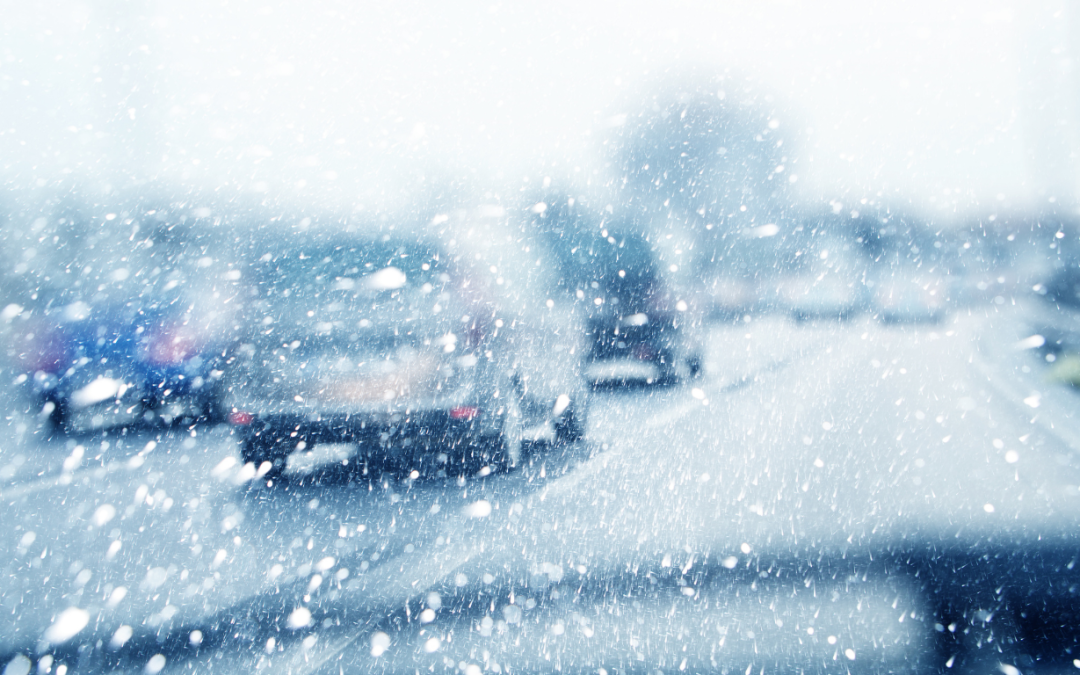
Winter Weather and Driving Safety
Winter weather can create hazardous and unpredictable conditions for drivers. When temperatures drop, road surfaces can become slick even if there is no visible snow. Bridges, overpasses, shaded areas, and less‐traveled roads tend to freeze first. However, it is important to be cautious driving on all roads. Hazards are not always obvious; drivers may not realize the road is dangerous until they begin to lose control.
To reduce the risk of accidents during winter conditions, drivers should consider the following tips for driving:
Tips if your car skids on black ice
If your car begins to skid on black ice, it is important to stay calm and avoid sudden movements. Remember to steer in the direction of the skid to help get your car back on track. If the skid takes you in a different direction, change the direction of your steering. Use gentle steering inputs and don’t overreact. It is important for you to not slam on your brakes while driving on drive ice. Hard braking can cause your tires to lock up and make the sliding worsen. After straightening your vehicle following a skid, apply gentle pressure to the accelerator and continue forward safely.
Practical Driving Tips for winter conditions
Winter driving requires extra caution, patience, and awareness to safely navigate changing road conditions. Reduce your speed to allow for better control and longer reaction time on slick roads. Leave extra space between you and other drivers to allow for longer stopping distances. This winter season, plan ahead, giving yourself extra time to reach your destination.
Stay prepared this winter
Winter weather may be unpredictable, but preparation and awareness can go a long way toward preventing accidents. Understanding how cold conditions affect roads and adjusting your driving habits can help protect yourself, your passengers, and other drivers on the road.
The team at Schneider Injury Law hopes this information helps keep you and your loved ones safe on the roads as winter weather approaches.