
Reviewed by Bethany Schneider, Founder, Schneider Injury Law | Reviewed November 16, 2026
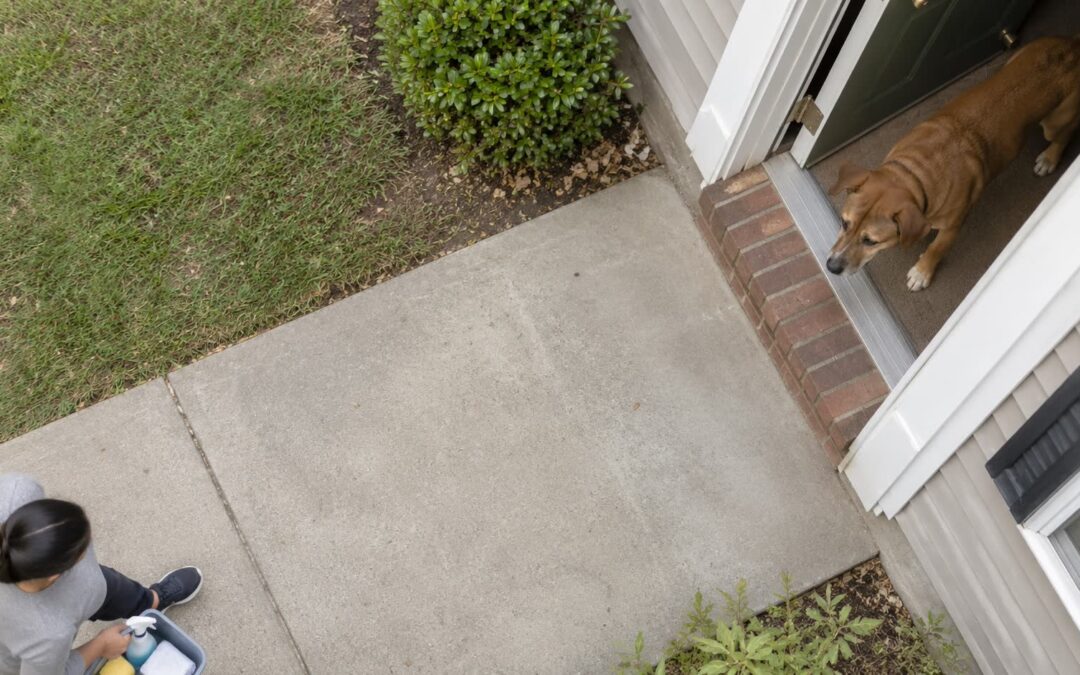
A former housekeeper for Kylie Jenner filed a lawsuit in Los Angeles Superior Court on November 5, 2026, alleging she was bitten by a dog while cleaning a doghouse at one of Jenner’s properties. According to reporting by NBC News, Dinora Carolina Cabria Amaya says she reported the injury to her supervisor and received no meaningful assistance — purchasing over-the-counter medication and treating herself. The lawsuit also alleges she was eventually fired after raising concerns about her wages and working conditions.
Jenner’s attorney has denied the allegations and called the lawsuit meritless. No court has made any finding of wrongdoing.
Although the lawsuit was filed in California, it raises a practical question for Georgia workers: what happens if a dog bites you on the job? The answer depends heavily on who employs you — and that distinction matters more for housekeepers and domestic workers than for almost anyone else.
Claim Your Free Consultation Today!
Workers Who Are Commonly Bitten on the Job
Dog bites at work happen across many industries. Workers who face this risk regularly include:
• House cleaners and domestic workers assigned to clean kennels or areas where pets roam
• Delivery drivers and mail carriers approaching unsecured front doors
• Landscapers and lawn care workers entering fenced yards
• Meter readers and utility workers accessing residential properties
• Pet sitters, groomers, and veterinary staff
In each of these situations, a worker can be bitten through no fault of their own. The legal path forward, however, is not the same for all of them.
Georgia Workers’ Compensation: Coverage Is Not Automatic for Every Worker
Georgia’s workers’ compensation system is the primary remedy for most on-the-job injuries. It is a no-fault system — you do not need to prove your employer was negligent. For covered employees, the injury generally must arise out of and occur in the course of employment.
Workers’ comp benefits can include:
• Medical treatment — wound care, surgery, and follow-up
• A portion of lost wages while you are unable to work
• Permanent disability benefits if the bite causes lasting damage
But not every worker is automatically covered. The rules differ significantly depending on who your employer actually is.
Are Housekeepers Covered by Workers’ Compensation?
It depends on the employment arrangement — not simply on whether the work takes place inside a private home.
Georgia law expressly excludes domestic servants from mandatory workers’ compensation coverage. A housekeeper hired directly by a household — paid personally by the homeowner — generally falls within this exclusion. The household employer may voluntarily elect to provide coverage, but is not required to.
The analysis is different for a housekeeper employed by a cleaning company or staffing agency. In that situation, the company — not the household — is the employer, and the domestic servant exclusion may not apply. Whether workers’ comp coverage exists depends on the company’s size, structure, and whether it carries a policy.
This distinction matters. A housekeeper bitten by a dog at a private residence may or may not have a workers’ compensation claim, depending on who employs her and whether that employer carries coverage. If workers’ comp does not apply, the exclusive remedy doctrine — which would normally bar a lawsuit against the employer — may not apply either, potentially leaving other legal avenues open.
If you are unsure whether your employer carries workers’ compensation coverage, that question is worth answering before an injury occurs. An attorney can help you understand your situation.
When Workers’ Comp Does Apply
For workers who are covered — delivery drivers, utility workers, landscapers employed by a company — workers’ comp is generally the exclusive remedy against the employer. That means you cannot sue your employer in a personal injury lawsuit for a covered work injury. Workers’ comp is the trade-off.
That exclusivity, however, applies to your employer. A dog owner who is a separate, nonimmune third party may still face a personal injury claim.
The Third-Party Claim: Pursuing the Dog’s Owner
If the dog that bit you belongs to someone other than your employer — a homeowner, a client, a property owner — you may be able to file a separate personal injury claim against that third party, regardless of whether workers’ comp also applies.
Workers’ compensation can cover medical expenses and a portion of lost wages, but a third-party personal injury claim may provide additional compensation, including:
• Pain and suffering
• Emotional distress
• Permanent scarring and disfigurement
For a full overview of how Georgia evaluates dog owner liability, see our guide to Georgia dog-bite liability requirements.
Georgia’s Dog Bite Law: What You Need to Prove
Georgia does not follow strict liability for dog bites. There are two paths to holding a dog owner liable under Georgia law.
When the Owner Knew the Dog Was Dangerous
The first path requires proving all three of the following:
1. The dog was vicious or dangerous;
2. The owner knew or should have known of that dangerous propensity; and
3. The owner carelessly managed the animal or allowed it to go at liberty.
Georgia courts have moved beyond the old idea that a dog gets “one free bite.” A dog does not have to have bitten someone before for its owner to be on notice of dangerous tendencies. Behavior short of biting can establish that an owner knew — or should have known — their dog posed a risk, including:
• Lunging at strangers
• Snapping or growling aggressively
• Aggressive behavior at fences or gates
• Prior complaints made to the owner
When the Dog Was Off-Leash in Violation of a Local Ordinance
The second path applies when a local ordinance required the dog to be on a leash or at heel, and the dog was not. Georgia law provides that an ordinance violation is sufficient to establish the dog’s dangerous tendencies — meaning a plaintiff does not need to separately prove the dog had a prior history of aggression.
However, a leash law violation does not end the analysis. Georgia courts have held that a plaintiff must still prove the owner had knowledge — either of the dog’s dangerous propensity, or that the dog was unrestrained at the time of the injury. Careless management or allowing the animal to go at liberty must also be shown. An ordinance violation is a powerful piece of evidence, but it does not automatically satisfy every element of the claim.
In either case, the injured person must not have provoked the attack.
What to Do If a Dog Bites You at Work
The steps you take immediately after a dog bite can significantly affect your ability to recover compensation.
Seek medical attention right away. Dog bites carry serious infection risks. Get care immediately and make sure everything is documented in your medical records. Do not treat the injury yourself and push through.
Report the injury to your employer. Notify your employer as soon as possible. Workers’ compensation claims have strict reporting deadlines in Georgia. Failing to report promptly can jeopardize your benefits — if you are covered.
Preserve work-related records. In a workplace bite, the paper trail matters as much as the physical evidence. Save your work assignment for the day of the bite, any texts or messages with the homeowner or supervisor, any incident report you filed or were asked to sign, and any information identifying the dog’s owner or the property where the bite occurred. These records can help show where you were, what you were doing, and who controlled the dog.
Photograph your injuries. Take photos as soon as possible and continue documenting as the wound heals. Note the location where the bite occurred and, if possible, photograph the dog and the area where it was kept.
Do not give a recorded statement to an insurance company. Whether it is your employer’s insurer or the dog owner’s homeowner’s insurance, do not give a recorded statement or sign anything before speaking with an attorney. Early statements can be used to minimize or deny your claim.
Talk to an attorney. A dog bite at work can involve overlapping legal questions — workers’ comp coverage, the domestic servant exclusion, and third-party liability — and the interaction between them is not always straightforward. An attorney can help you understand which claims apply to your specific situation.
Claim Your Free Consultation
If you or someone you love was bitten by a dog while working in Georgia, you may have more legal options than you realize. Schneider Injury Law handles serious injury cases throughout Georgia on a contingency basis — meaning no fee unless we win. All consultations are free, with no retainers or upfront costs. The written fee agreement governs the specific terms of any representation.
Don’t wait. Evidence disappears, and deadlines are real.
Claim Your Free Consultation Today!
Frequently Asked Questions
Does workers’ compensation cover housekeepers and domestic workers in Georgia? It depends on the employment arrangement. A housekeeper hired directly by a household is generally excluded from mandatory workers’ compensation coverage under Georgia law — though the household employer may voluntarily elect to provide it. A housekeeper employed by a cleaning company or staffing agency is in a different position; the domestic servant exclusion may not apply, and coverage depends on the company’s size and whether it carries a policy. An attorney can help you determine which situation applies to you.
Can I sue my employer if I was bitten by a dog at work? It depends on whether workers’ compensation applies to your employment. For covered workers, Georgia’s workers’ comp system is generally the exclusive remedy against the employer. For domestic workers who fall under the exclusion, that analysis may be different. Either way, a dog owner who is a separate, nonimmune third party may still face a personal injury claim.
What if the dog belongs to a client or homeowner I was working for? A third-party personal injury claim may apply under Georgia’s dog bite law. As explained above, you would need to satisfy the elements of either the dangerous tendencies path or the leash law path — and in both cases, show that you did not provoke the attack. A leash law violation alone is not sufficient; the additional requirements described in the dog bite law section above must also be met.
What if the dog has never bitten anyone before? Georgia’s modified one-bite rule does not require a prior bite. Evidence of aggressive behavior — lunging, snapping, growling — can establish that the owner knew the dog was dangerous. If the dog was also off-leash in violation of a local ordinance, that violation can help establish the dog’s dangerous tendencies, though the additional elements described above must still be proven.
How long do I have to file a dog bite claim in Georgia? For a personal injury claim, Georgia generally gives you two years from the date of the attack. Workers’ compensation claims have separate deadlines. Do not wait — speak with an attorney as soon as possible.
What damages can I recover? Workers’ compensation can cover medical expenses and a portion of lost wages. A third-party personal injury claim may provide additional compensation, including pain and suffering, emotional distress, and compensation for permanent scarring or disfigurement. Every case is different — speak with an attorney about your specific situation.
Claim Your Free Consultation Today!
Disclaimer: This article is for informational purposes only and does not constitute formal legal advice. The allegations in the Kylie Jenner lawsuit described above are disputed, and no court has made any finding of wrongdoing. Every dog bite case is different. No attorney-client relationship is created by reading this article or contacting the firm. No representation is made until a written agreement is signed. Speak with a licensed Georgia attorney about the specific facts and deadlines in your case.