
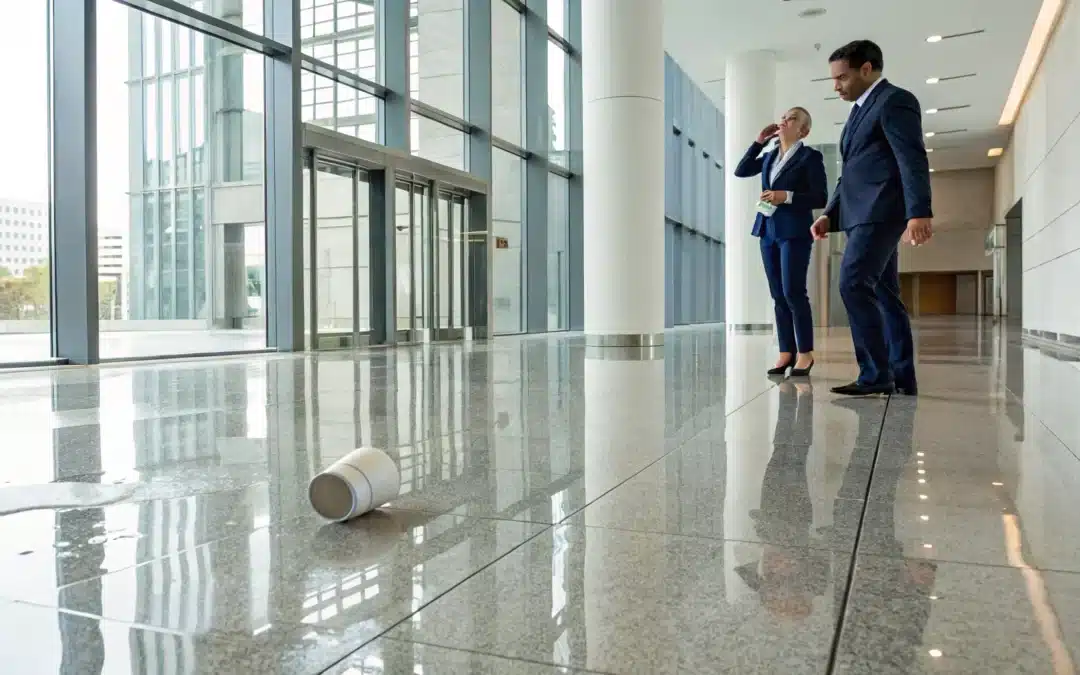
When people hear about getting injured on someone else’s property, they usually think of a simple slip and fall. While that’s a common example, the legal principle behind it is much broader. So, what is a premises liability claim? It’s a case that arises when a property owner’s failure to maintain a safe environment leads to any number of injuries, from dog bites to accidents at a swimming pool or assaults in a poorly lit parking garage. If an owner knew about a danger and did nothing to fix it, they can be held responsible. Here, we’ll break down the different types of claims and what it takes to build a strong case.
Key Takeaways
- Proving negligence is your primary goal: A successful claim requires showing the property owner knew about a dangerous condition but failed to fix it or provide a warning. You must connect this specific failure directly to the injuries and financial losses you suffered.
- The owner’s duty of care depends on your visitor status: Why you were on the property matters legally. Owners have the highest responsibility to customers (invitees) and a different duty to social guests (licensees), which changes what you need to prove to win your case.
- Act quickly to protect your health and your claim: The steps you take immediately after an injury are crucial. Prioritize getting medical attention, document the hazard with photos, report the incident officially, and contact an attorney to ensure evidence is saved and legal deadlines are met.
What is a Premises Liability Claim?
When you visit a store, a friend’s house, or a public park, you expect the property to be reasonably safe. A premises liability claim arises when that expectation isn’t met and you get injured because of a hazardous condition on someone else’s property. At its core, this area of law holds property owners accountable for failing to maintain a safe environment. If an owner’s carelessness, or negligence, leads to an injury, they can be held legally responsible for the resulting damages.
These cases cover a wide range of incidents, from a slip and fall in a grocery aisle to an injury caused by poor security at an apartment complex. The key is proving that the property owner knew, or should have known, about the dangerous condition and did nothing to fix it or warn you about it. For example, a store manager who ignores a spilled drink on the floor could be held liable if a customer slips and breaks a bone. Understanding your rights is the first step toward recovery. If you were hurt due to a property owner’s failure to keep you safe, you may have a valid premises liability claim and the right to seek compensation for your medical bills, lost wages, and pain and suffering. Our team at Schneider Injury Law has a long history of helping clients in Atlanta hold negligent property owners accountable.
Understanding a Property Owner’s Duty of Care
In any premises liability case, the central concept is the property owner’s “duty of care.” This is a legal term for their responsibility to act with reasonable caution to prevent harm to others. For property owners, this means taking appropriate steps to ensure their premises are free from dangerous hazards that could cause an injury. However, this duty isn’t a one-size-fits-all obligation.
The specific level of care an owner must provide depends entirely on why you were on the property in the first place. Georgia law classifies visitors into different categories, and your status as a visitor directly impacts the owner’s legal responsibilities to you. Proving that the owner breached their specific duty of care is essential to building a successful claim.
How Your Visitor Status Affects the Claim
Your legal standing as a visitor is one of the most critical factors in a premises liability case. Georgia law separates visitors into three distinct categories: invitees, licensees, and trespassers. This classification determines the exact legal duty the property owner owed you at the time of your injury. Understanding where you fit helps clarify what you need to prove to win your case. An experienced attorney can help you determine your status and build a strategy based on the specific responsibilities the property owner failed to meet.
Invitees
An invitee is someone who is on the property for the owner’s financial benefit. This includes customers in a retail store, diners at a restaurant, or clients visiting an office. Invitees are owed the highest duty of care. The property owner must not only repair or warn about dangers they know exist, but they also have a duty to proactively inspect the property to discover any potential, hidden hazards.
Licensees
A licensee is a social guest who is on the property with the owner’s permission but for their own social purposes, not for any business reason. Think of a friend you invite over for dinner or a family member stopping by. For licensees, the property owner has a duty to warn them of any known dangers that they might not discover on their own. However, the owner is not required to inspect the property for unknown hazards.
Trespassers
A trespasser is someone who enters a property without permission. Property owners owe the lowest duty of care to trespassers. The general rule is that an owner cannot willfully or wantonly injure a trespasser, for instance, by setting a trap. An important exception exists for children. Under the “attractive nuisance” doctrine, if a property has a feature that could attract and endanger a child, like a swimming pool, the owner must take reasonable steps to protect them.
Common Examples of Premises Liability Claims
Premises liability is a broad area of law that covers more than just a simple slip on a wet floor. It’s based on the principle that property owners have a legal duty to keep their premises reasonably safe for visitors. When they fail to meet this responsibility, and someone gets hurt, they can be held accountable. Understanding the common types of claims can help you recognize if what happened to you falls under this category. These incidents can happen almost anywhere, from a friend’s house or an apartment complex to a grocery store, concert venue, or parking garage. If an owner’s negligence led to your injury, you may be entitled to compensation for your medical bills, lost wages, and the pain you’ve endured. Exploring these examples will give you a clearer picture of what a premises liability case can look like and what it takes to build a strong claim. Many different situations can lead to a valid case, and our firm is experienced in handling a wide range of these complex issues. From poorly maintained buildings to inadequate security, the root of the claim is always the same: a property owner knew or should have known about a danger and did nothing to protect you from it.
Slip and Fall Accidents
Slip and fall accidents are the most well-known type of premises liability claim. Think of premises liability as a large umbrella, with slip and falls being one of the most common situations covered underneath it. These incidents occur when you slip, trip, or fall due to a hazardous condition on someone else’s property. Common causes include wet or freshly waxed floors without warning signs, icy patches on a walkway, uneven pavement, or cluttered aisles in a store. The key is that the property owner knew, or should have reasonably known, about the danger and did nothing to fix it or warn you about it. These accidents can cause serious injuries, from broken bones to head trauma, and are a primary focus of our practice areas.
Inadequate or Negligent Security
Property owners have a responsibility to protect visitors from foreseeable criminal acts. When they fail to provide reasonable security measures, and someone gets hurt as a result, it’s known as negligent security. This often applies to commercial properties like apartment buildings, hotels, shopping malls, and parking garages. For example, if an assault or robbery occurs in a poorly lit parking lot with a history of crime, the property owner could be held liable. Other examples include broken locks on building entrances, a lack of security cameras, or failing to have security personnel on-site when needed. We are committed to helping victims of crime hold negligent property owners accountable.
Swimming Pool Accidents
Swimming pools can be incredibly dangerous if they are not properly maintained and supervised. Both public and private pool owners must take steps to ensure the safety of their guests. Accidents can happen due to slippery surfaces around the pool, a lack of supervision (especially for children), or broken fences and gates that allow unsupervised access. Drowning is a major risk, but other serious injuries can occur from diving into shallow water that isn’t clearly marked or from defective pool equipment. These incidents can lead to devastating outcomes, including catastrophic injuries or even wrongful death, making owner responsibility a critical issue.
Dog Bites and Animal Attacks
In Georgia, pet owners can be held responsible when their animals attack and injure someone. Dog bite cases are a common form of premises liability claim, based on the idea that an owner was negligent in controlling their animal. This is especially true if the dog has a known history of aggression or if the owner violated local leash laws. The owner has a duty to restrain their pet and prevent it from harming visitors or people in public spaces. An attack can cause deep puncture wounds, infections, scarring, and significant emotional trauma. If you were lawfully on the property and were bitten, the owner may be liable for your injuries.
Exposure to Toxic Substances
Sometimes, the danger on a property isn’t something you can see. You can suffer serious health problems from exposure to toxic substances due to a property owner’s negligence. This can happen if an owner fails to safely handle or remove hazardous materials like asbestos, lead paint, pesticides, or toxic mold. For instance, a landlord who knows about a mold problem but fails to fix it could be held responsible if a tenant develops respiratory issues. Likewise, a worksite that doesn’t follow safety protocols for chemical storage could be liable for an employee’s illness. These cases often involve long-term health consequences and fall under claims related to dangerous products and substances.
Poorly Maintained Buildings
Beyond temporary hazards like spills, injuries can also result from a building’s overall state of disrepair. Property owners have a duty to perform regular maintenance and fix structural issues that could pose a threat to visitors. When they fail to do so, serious accidents can occur. Common examples include injuries from a collapsing deck or balcony, a faulty elevator or escalator, broken stairs, or a ceiling collapse. These incidents are a direct result of the owner’s failure to keep the property in a reasonably safe condition. Proving negligence in these cases is essential, and our firm has a track record of securing favorable results for clients injured by poor maintenance.
What Do You Need to Prove Your Case?
Winning a premises liability case involves more than just showing you were injured on someone else’s property. You and your attorney must build a strong argument by proving several key elements. Think of it like assembling a puzzle; each piece is essential to see the full picture of what happened and why the property owner is responsible. You have to demonstrate that a dangerous situation existed, the owner knew about it, they failed to act, and this failure directly led to your injuries and losses. Each of these points must be supported by solid evidence to create a convincing case.
Successfully proving these points requires a strategic approach to gathering evidence, from photos of the scene and witness statements to maintenance logs and security footage. This is where having an experienced legal team makes a significant difference. An attorney knows exactly what to look for and how to connect each piece of evidence to build a compelling claim that stands up to scrutiny. The goal is to clearly establish the property owner’s negligence and secure the compensation you need to recover. Our firm handles a wide range of personal injury cases and understands what it takes to prove them, allowing you to focus on your healing while we handle the legal complexities.
A Dangerous Condition Existed
First, you must prove that a dangerous condition was present on the property. This isn’t just any minor imperfection; it must be an unsafe situation that poses an unreasonable risk of harm. Examples include a puddle of water on a grocery store floor without a warning sign, a broken handrail in a stairwell, an unmarked hole in a lawn, or dangerously poor lighting in a parking garage. The law holds property owners responsible for injuries that happen because of these types of careless oversights. Your claim starts by identifying the specific hazard that should have been addressed.
The Property Owner Knew About the Hazard
Next, you need to show that the property owner knew, or reasonably should have known, about the dangerous condition. This is a critical step. “Actual knowledge” means the owner was directly aware of the problem, perhaps because someone reported it or they saw it themselves. “Constructive knowledge” means the hazard existed for so long that a diligent property owner would have discovered it during routine inspections or maintenance. For example, if a spill was left on the floor for hours, the owner should have found and cleaned it up. Proving this often requires a thorough investigation into the property’s safety procedures and history.
The Owner Failed to Provide a Warning or Fix
Once a property owner is aware of a hazard, they have a legal duty to take action. This means they must either repair the dangerous condition or provide an adequate warning to visitors so they can avoid it. For instance, they could fix the broken step or, at the very least, put up a clear sign and block off the area. A property owner is considered negligent if they knew about a danger but did nothing to fix it or warn others. Simply ignoring the problem is not an option, and this failure to act is a cornerstone of your premises liability claim.
The Hazard Caused Your Injury
Proving a direct link between the dangerous condition and your injury is essential. This is known as causation. It’s not enough to show that a hazard existed and you were hurt on the same day; you must demonstrate that the hazard was the specific cause of your accident. For example, you have to prove that you slipped on the unmarked wet floor and that this fall caused you to break your wrist. Medical records, expert opinions, and your own testimony are crucial for connecting the owner’s negligence directly to the injuries you sustained.
You Suffered Real Damages
Finally, you must show that you suffered actual harm, or “damages,” as a result of your injury. Without damages, there is no basis for compensation. These losses can be economic, such as medical bills for your treatment, lost wages from being unable to work, and the cost of damaged personal property. They can also be non-economic, like the physical pain and emotional suffering you have endured. Keeping detailed records of all your expenses and documenting how the injury has affected your daily life is vital for proving the full extent of your damages and securing the successful results you deserve.
Understanding Negligence in Your Claim
Winning a premises liability case hinges on one key concept: negligence. Simply getting hurt on someone else’s property isn’t enough to guarantee compensation. You and your attorney must prove that the property owner was careless and that their carelessness directly led to your injuries. This might sound straightforward, but property owners and their insurance companies have strategies to challenge these claims. Understanding what negligence looks like in the eyes of the law, how your own actions might be viewed, and the defenses you’re likely to face is the first step toward building a strong case.
What the Property Owner Knew (or Should Have Known)
To establish negligence, you have to show that the property owner failed in their duty to keep you safe. This usually happens in one of four ways. The owner may have created the dangerous condition themselves, or they knew about a hazard but failed to fix it or warn visitors. Negligence can also occur if the owner didn’t conduct reasonable inspections to find potential dangers on their property. Essentially, you need to prove the owner knew, or reasonably should have known, about the unsafe condition that caused your injury. This is the foundation of all premises liability claims.
What if You’re Partially at Fault? Georgia’s Rule
Sometimes, the defense will argue that you share some of the blame for your accident. In Georgia, this is handled under a “modified comparative fault” rule. This means you can still recover damages as long as you are found to be less than 50% responsible for the incident. However, your final compensation will be reduced by your percentage of fault. For example, if you are awarded $100,000 but found to be 20% at fault, your award would be reduced to $80,000. If you are found 50% or more at fault, you cannot recover any damages at all. This rule makes it critical to gather strong evidence to show the property owner was primarily responsible.
Common Defenses Property Owners Use
Property owners and their insurance companies often use a few common arguments to avoid paying a claim. A frequent defense is that the hazard was “open and obvious,” suggesting that you should have seen and avoided it. They might also claim you weren’t paying attention, perhaps because you were looking at your phone. These arguments attempt to shift the blame from the owner to you. An experienced attorney anticipates these defenses and builds a case to counter them, focusing on the owner’s legal responsibility. The team at Schneider Injury Law has a deep understanding of these tactics and how to fight back.
What Compensation Can You Recover?
If you were injured because of a property owner’s negligence, you have the right to seek compensation for the losses you’ve suffered. In legal terms, this compensation is called “damages.” The goal is to help you recover financially, physically, and emotionally from the incident. While every case is unique, compensation typically falls into several key categories. Understanding what you may be entitled to can help you see the path forward after an injury. At Schneider Injury Law, we have a strong record of securing favorable results for our clients, ensuring they receive the full compensation they deserve.
Medical Bills
After an injury, medical bills can pile up quickly and become a major source of stress. A premises liability claim allows you to recover the costs for all your medical care, both past and future. This includes everything from the initial ambulance ride and emergency room visit to hospital stays, surgeries, and prescription medications. It also covers ongoing treatments like physical therapy, rehabilitation, and appointments with specialists. We work to ensure that your settlement or verdict accounts for any long-term medical needs your doctor anticipates, so you aren’t left with unexpected expenses down the road.
Lost Income and Future Earning Capacity
An injury doesn’t just affect your health; it can also impact your finances. If you had to miss work while recovering, you can be compensated for that lost income. But what if your injury is more severe and affects your ability to work in the long term? You may also be able to recover damages for “lost future earning capacity.” This applies if your injury prevents you from returning to your old job or limits the type of work you can do in the future. We help calculate these complex losses to ensure your financial stability isn’t compromised by someone else’s carelessness.
Pain and Suffering
Some of the most significant losses from an injury aren’t financial. Pain and suffering damages are meant to compensate you for the physical pain and emotional distress you’ve endured. This can include anxiety, depression, fear, insomnia, and a general loss of enjoyment of life. While no amount of money can erase what you’ve been through, the law recognizes that your suffering is real and deserves to be acknowledged. Our team is committed to understanding the full impact the injury has had on your life and fighting for compensation that reflects your experience.
Damaged Personal Property
It’s common for personal belongings to be damaged during the incident that caused your injury. For example, if you were in a slip and fall accident, your phone screen might have shattered, or your laptop could have been broken. You have the right to be compensated for the cost of repairing or replacing any personal property that was damaged as a direct result of the accident. Be sure to keep any damaged items and receipts for repairs or replacements, as they can serve as important evidence in your claim.
Punitive Damages
In some rare cases, a court may award punitive damages. Unlike the other types of compensation, which are meant to cover your losses, punitive damages are intended to punish the property owner for extreme or outrageous negligence. These are not awarded in every case. They are reserved for situations where the defendant’s behavior was particularly reckless or showed a conscious disregard for the safety of others. The goal of punitive damages is to deter the defendant and others from engaging in similar harmful conduct in the future. Our experienced attorneys can determine if the circumstances of your case may warrant pursuing them.
Steps to Take After an Injury on Someone’s Property
The moments after an injury can feel chaotic and overwhelming. Knowing what to do can protect your health and your right to compensation. If you’ve been hurt on someone else’s property, taking a few key steps can make a significant difference in the outcome of your case. Focus on these actions to build a strong foundation for your premises liability claim.
Get Medical Help Immediately
Your health is the top priority. Seek medical attention right away after an accident, even if you think your injuries are minor. Some serious issues, like internal bleeding or head trauma, may not have immediate symptoms. Visiting a doctor or an emergency room creates an official medical record that connects your injuries directly to the incident. This documentation is a critical piece of evidence. It establishes the extent of your harm and is essential for proving your damages later on. Don’t wait to get checked out; a delay could not only risk your health but also give the property owner’s insurance company a reason to argue your injuries weren’t caused by the accident.
Document the Scene
If you are physically able, try to document the scene of the accident as soon as possible. Use your phone to take photos and videos of the exact location where you were injured. Capture the hazardous condition that caused your injury from multiple angles, whether it was a wet floor without a sign, a broken stair, or poor lighting. If there are any visible signs of neglect, like old spills or unrepaired damage, photograph those too. This visual evidence can be incredibly powerful, as conditions can be cleaned up or repaired quickly after an incident occurs. Your photos and videos serve as a snapshot in time, preserving proof of the owner’s negligence.
Report the Incident
Make sure you officially report the incident to the property owner, manager, or an employee on duty. A formal report creates a record that you were injured on their premises and puts them on notice of the dangerous condition. When you file the report, stick to the facts of what happened. Avoid admitting any fault or downplaying your injuries. Ask for a copy of the written report before you leave. If they refuse to provide one or won’t create a formal report, make a detailed note of who you spoke to, what you told them, and the time and date of the conversation.
Get Witness Information
If anyone saw your accident, their testimony can be invaluable. Independent witnesses can confirm your version of events and provide an unbiased account of the hazardous conditions. Politely ask for their names and contact information (phone number or email address). Don’t press them for a detailed statement on the spot. Simply having their contact details allows your attorney to follow up with them later. A statement from someone who saw what happened can strengthen your claim, especially if the property owner tries to dispute the facts. Witness accounts help paint a complete picture of the incident for insurance companies and juries.
Request Relevant Records
Beyond your own photos, other records can help prove your case. This includes things like security camera footage that may have captured the accident, maintenance logs showing when the area was last inspected, or previous incident reports related to the same hazard. While a property owner may not willingly hand these over, your attorney can formally request them. This evidence can establish that the owner knew or should have known about the dangerous condition. Having these records can be crucial for demonstrating a pattern of negligence and holding the responsible parties accountable for the catastrophic injuries you suffered.
Speak with a Premises Liability Attorney
Premises liability cases can be complicated, and property owners and their insurance companies often have experienced legal teams on their side. Speaking with an attorney who specializes in these types of claims is one of the most important steps you can take. A lawyer can handle communication with the insurance company, gather critical evidence, and build a strong case on your behalf. At Schneider Injury Law, we have a demonstrated track record of success in securing favorable outcomes for our clients. We can help you understand your rights and guide you through the legal process, allowing you to focus on your recovery.
File Your Claim on Time
In Georgia, you have a limited window of time to file a personal injury lawsuit, known as the statute of limitations. If you miss this deadline, you will likely lose your right to seek compensation forever. Acting quickly is essential not only for meeting legal deadlines but also for preserving evidence before it disappears. An attorney can ensure all necessary paperwork is filed correctly and on time. To win your case, you will need to prove that the property owner’s failure to keep the property safe directly caused your injuries. The sooner you begin the process, the stronger your position will be.
How Long Do You Have to File a Claim in Georgia?
When you’re recovering from an injury, the last thing on your mind might be a legal calendar. However, Georgia law sets strict deadlines for filing a personal injury claim, known as the statute of limitations. For most premises liability cases, you have two years from the date of your injury to file a lawsuit. If you miss this window, you will likely lose your right to seek compensation forever.
It’s also important to know that this two-year clock isn’t always the rule. If your injury happened on government property, like a public park or a city building, the deadlines are much shorter. You must provide a formal notice of your claim, called an ante litem notice, within six months for a claim against a city and within twelve months for a claim against a county. These are critical deadlines that can make or break your case.
Beyond the legal deadlines, there are practical reasons to act quickly. Key evidence, like security camera footage, can be erased or recorded over in just a few days or weeks. Witnesses’ memories can fade, and the hazardous condition that caused your injury might be repaired, making it harder to prove what happened. Contacting an attorney right away ensures that crucial evidence is preserved and that you understand the specific deadlines that apply to your situation. An experienced lawyer can help you protect your rights and build the strongest possible case for the compensation you deserve.
Do You Have a Premises Liability Case?
If you were hurt on someone else’s property, you’re likely wondering if the owner is responsible for your injuries and medical bills. Under Georgia law, property owners have a legal responsibility, known as a “duty of care,” to keep their premises reasonably safe for people they invite onto their property. When they fail to do so and someone gets hurt as a result, it can form the basis of a premises liability claim.
To determine if you have a valid case, you typically need to prove a few key elements. First, you must show that a dangerous condition existed, like a wet floor without a warning sign, a broken staircase, or inadequate security in a parking garage. Second, you have to demonstrate that the property owner was negligent. This means they either created the hazard, knew about it and did nothing to fix it, or should have known about it through reasonable maintenance and inspection. Finally, you must prove that this specific hazard was the direct cause of your injury and that you suffered actual damages, such as medical expenses or lost wages.
Proving that a property owner “should have known” about a danger is often the most challenging part of a claim. It requires careful investigation and a deep understanding of the law, which is why working with a firm that has a demonstrated track record of success is so important. The specific duty a property owner owes you can also vary depending on whether you were a customer, a social guest, or on the property for another reason. Because every situation is unique, the best way to understand your rights is to speak with an attorney who handles these specific types of personal injury claims.
Frequently Asked Questions
What’s the difference between a “slip and fall” and a “premises liability” claim? Think of premises liability as the large umbrella category of law that holds property owners responsible for safety. A “slip and fall” is just one specific type of case that fits under that umbrella. Premises liability also covers a wide range of other incidents, such as injuries from poor security, swimming pool accidents, or a collapsing deck. So, while every slip and fall case is a premises liability case, not every premises liability case involves a slip and fall.
What if the property owner claims the hazard that hurt me was obvious? This is a very common defense tactic called the “open and obvious” doctrine. The owner’s legal team will argue that you should have seen the danger and avoided it yourself. However, this argument isn’t always successful. The law recognizes that people can be distracted, and a property owner may still be responsible if they should have anticipated that a visitor might not notice the hazard. The specific circumstances of your accident are what truly matter in countering this defense.
Can I file a claim if I was injured at a friend’s house? Yes, it is possible to file a claim for an injury that happened at a private residence. As a social guest, you are considered a “licensee.” This means the homeowner has a legal duty to warn you about any dangerous conditions they know about that you might not discover on your own. For example, if they know a step on their porch is broken and fail to tell you, they could be held responsible if you fall and get hurt.
How is the value of a premises liability case determined? There is no simple calculator for determining a case’s value, as each situation is unique. Compensation is calculated based on your specific “damages.” This includes concrete economic costs like all of your medical bills and any income you lost while out of work. It also includes non-economic damages, which provide compensation for your physical pain, emotional distress, and how the injury has impacted your quality of life. A thorough investigation helps establish the full value of your claim.
Do I have to pay a lawyer upfront to take my case? No. Most personal injury law firms, including ours, handle premises liability cases on a contingency fee basis. This means you do not pay any attorney’s fees unless we successfully recover compensation for you through a settlement or a court verdict. Our fee is a percentage of the final amount we win on your behalf. This arrangement allows you to get expert legal help without any upfront financial risk.